
Boone, NC
Garage Door Service in Boone, Built for This Town's Housing and Cold
Boone Garage Door Pros explains why DIY garage door fixes fail on Boone's 1970s-era housing stock and severe cold winters, and what actually shows up on the job.
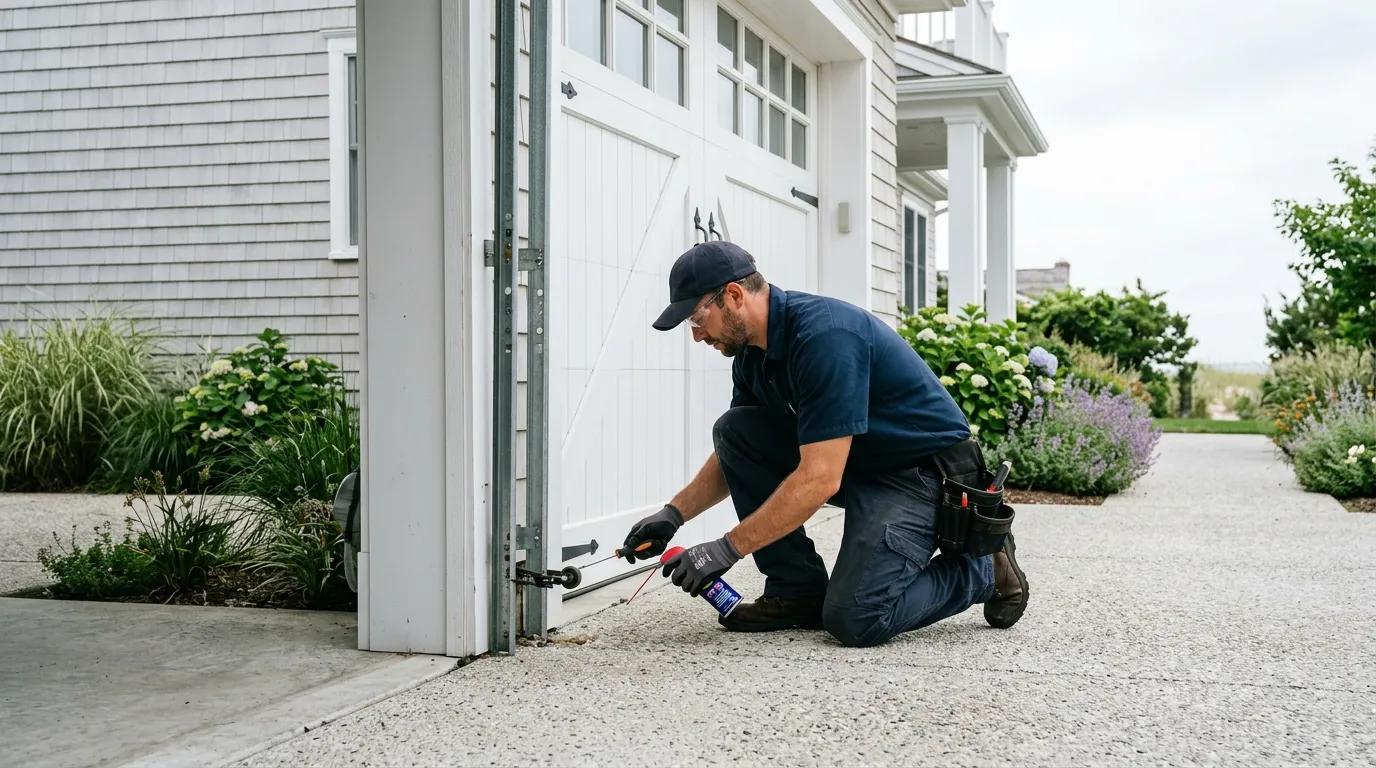
What we do
Garage door work in Boone
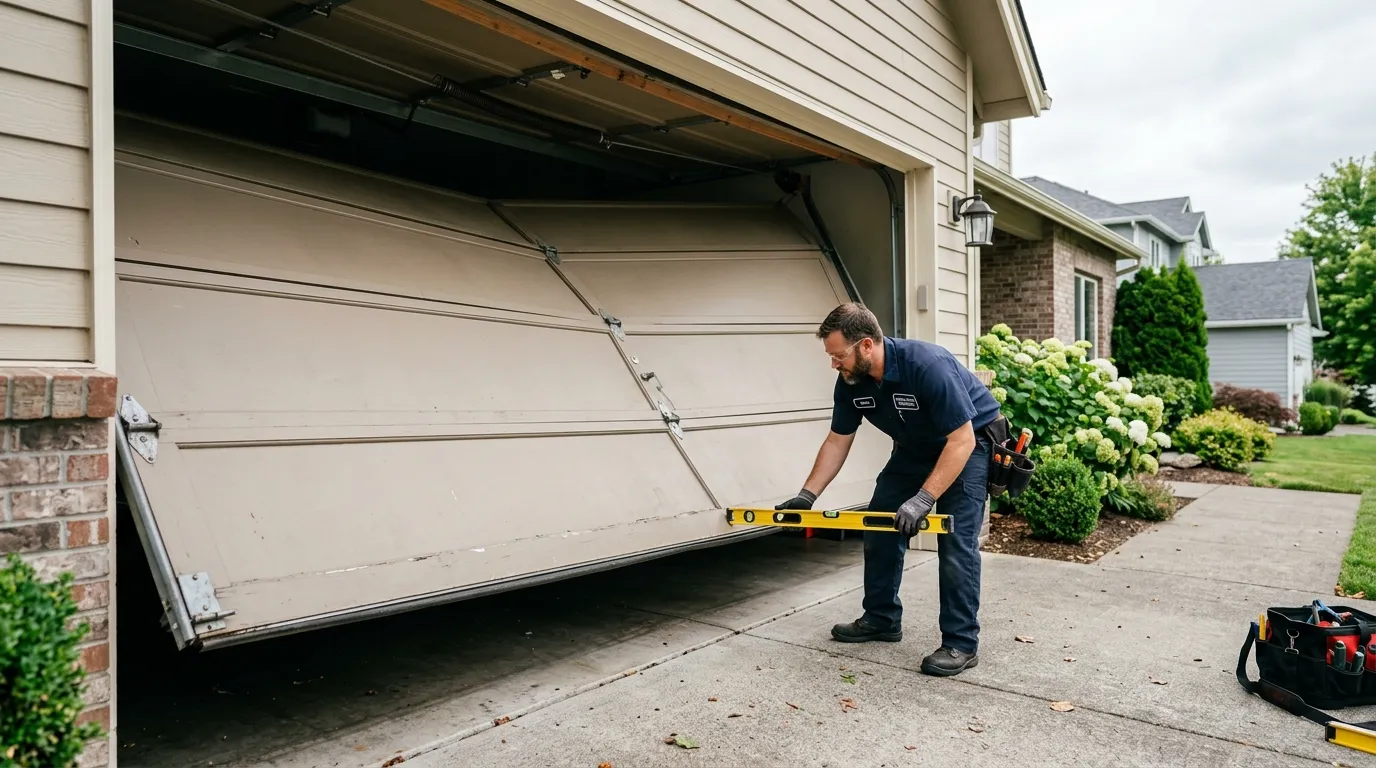
Garage Door Repair for Boone Homes Built in the Cold
Boone's homes date mostly to the 1970s and 80s, and the cold mountain climate hits torsion springs hard. Learn more →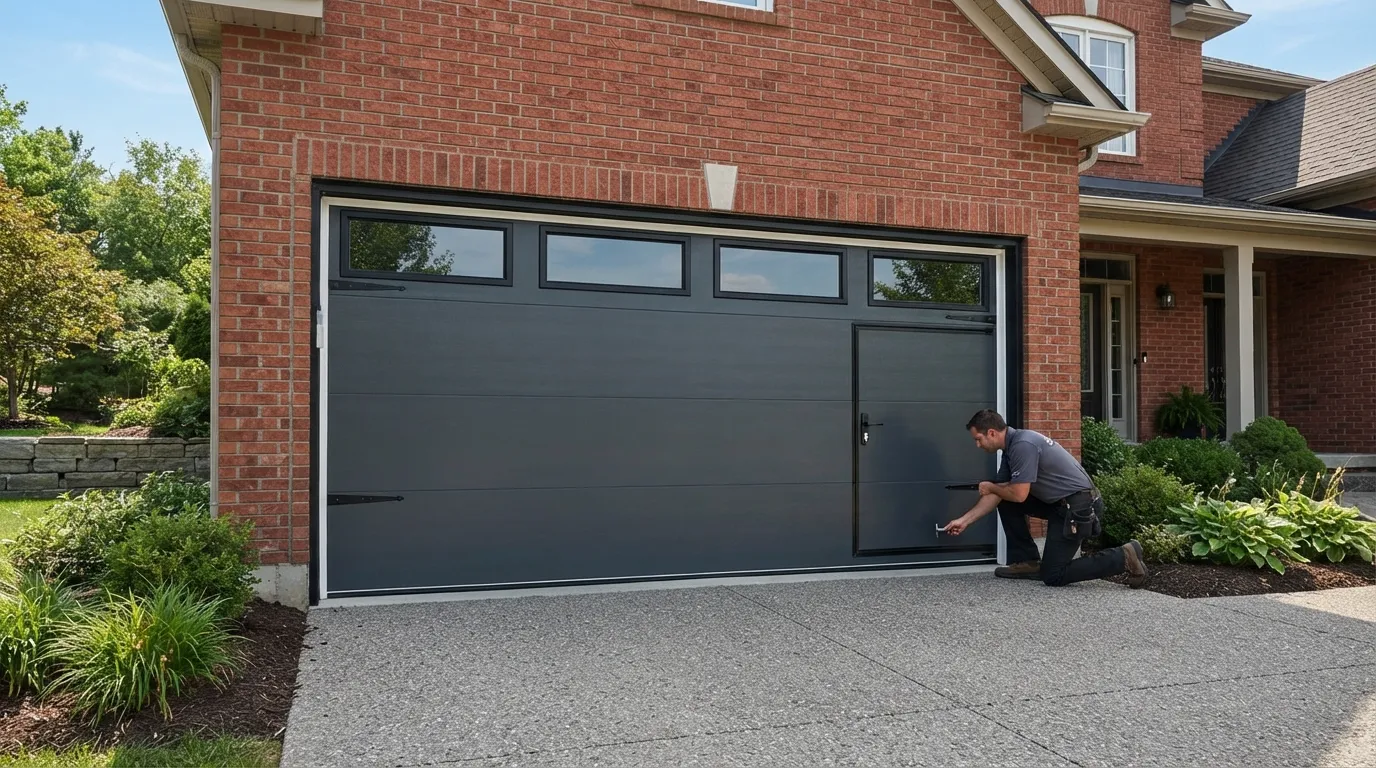
Garage Door Installation for Boone, NC Homes
Boone homes built between 1968 and 1997 often need doors resized for modern openers and this valley's cold winters before a proper install goes right. Learn more →Local detail
The DIY Question
A lot of Boone homeowners start here: a stuck opener, a door that groans on the way up, a bent track, and a YouTube video that makes it look like a Saturday job. For some things - tightening a loose hinge, lubricating rollers, swapping a remote battery - that's fine. Where it stops being fine is torsion springs, cable replacement, and anything involving the door's weight held under tension.
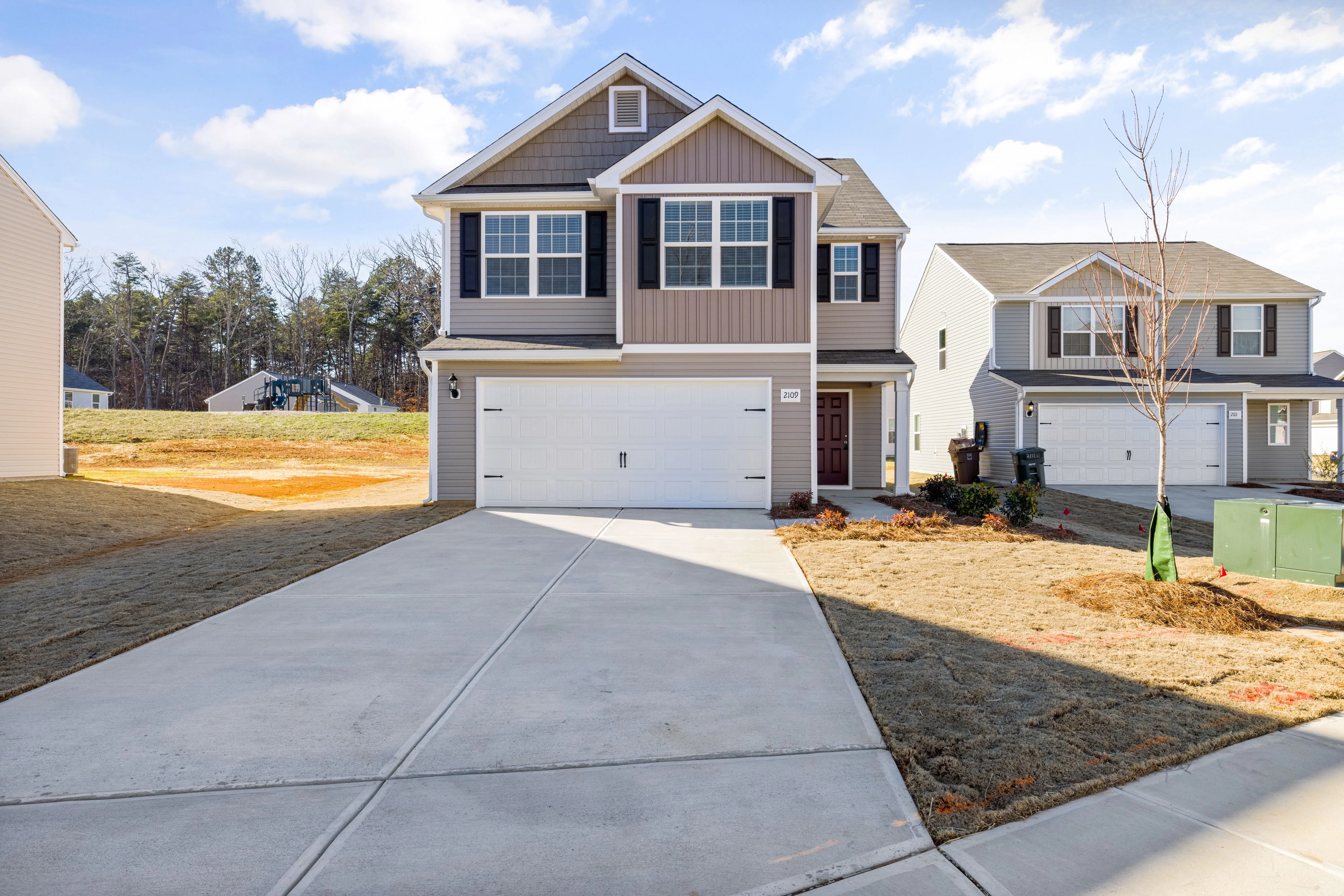
That's not caution talk, it's physics: a wound spring on a double door can put someone in the ER faster than almost any other home repair. The other reason DIY runs into trouble here specifically is age. A big share of Boone's houses were built between 1968 and 1997, median around 1979, and a lot of the ten areas we see calls from are still running mostly 1960s-70s stock.
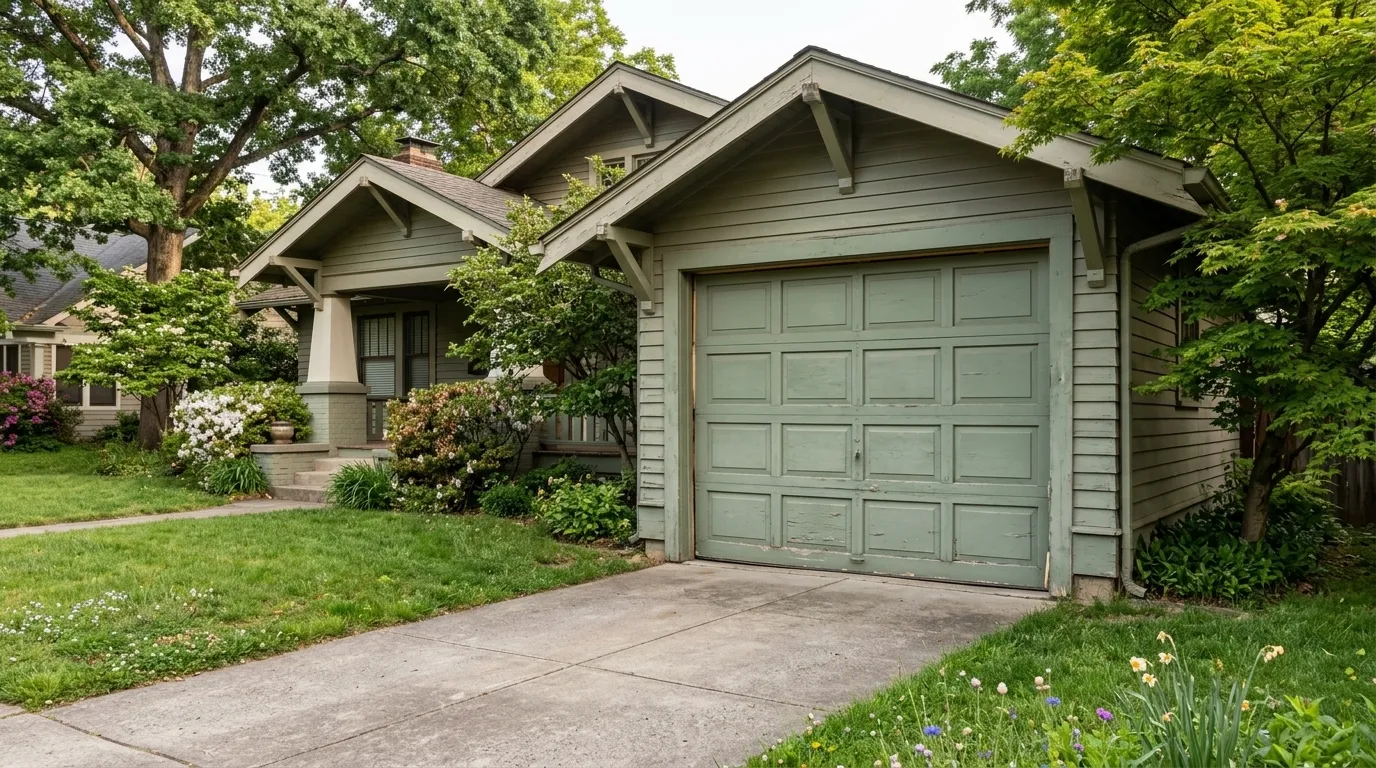
That means original hardware, discontinued spring sizes, and mounting configurations that don't match the kit sold at the hardware store in Blowing Rock or anywhere else nearby. You can watch a video for a 2020 door. You can't watch one for whatever is actually bolted into a house built in 1976.
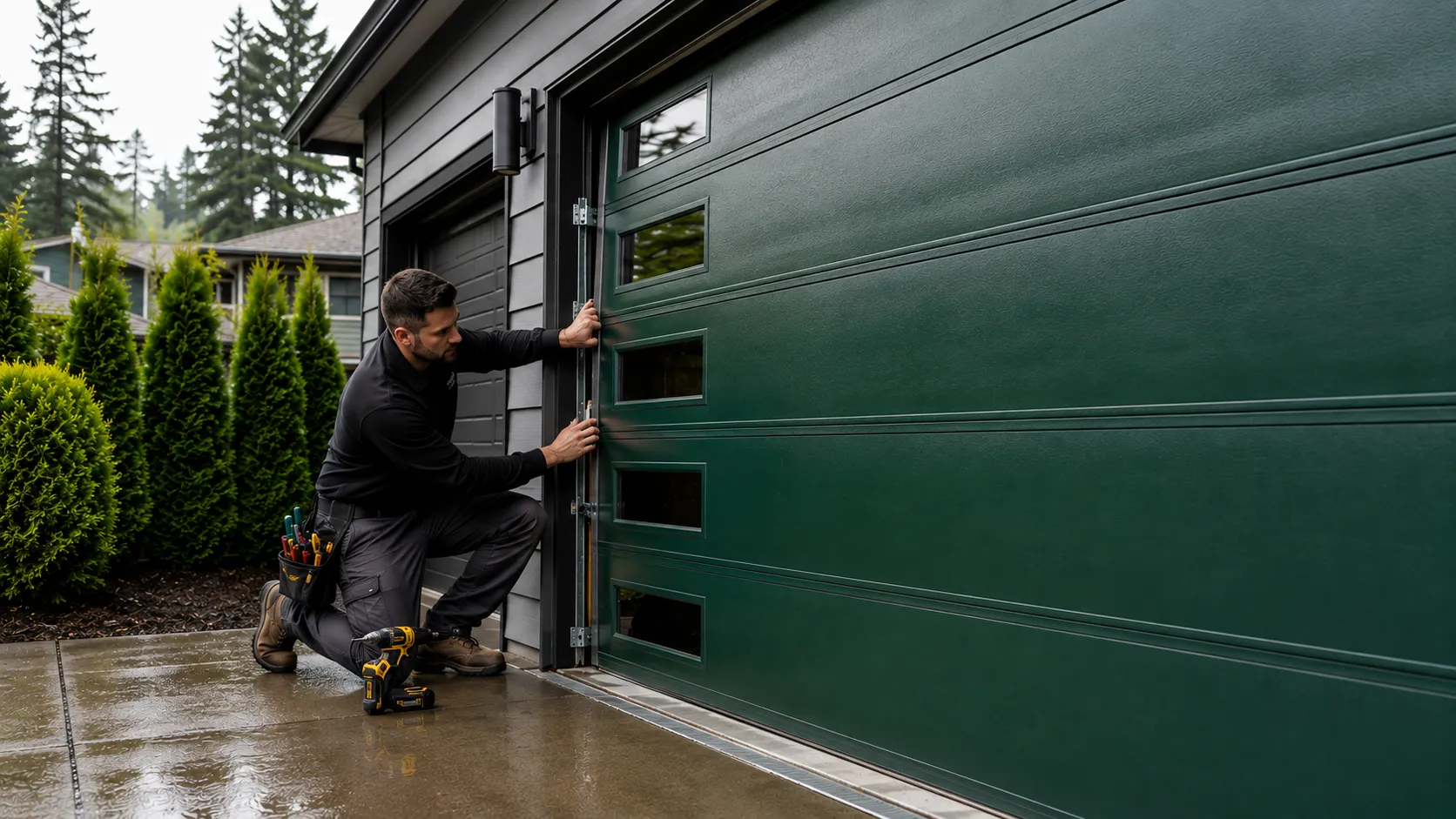
The area
Why This Fails Locally
Boone sits in a severe cold climate band, and that changes what fails and when. Steel contracts in deep cold, torsion springs lose a little tension every winter cycle, and lubricant that was fine in October turns gummy by January. On a door installed when Ford Pintos were on the lot, none of the original parts were spec'd for the freeze-thaw cycles this town gets every year.
DIY guides assume a generic climate and a generic door age. Neither applies once you're dealing with 45-plus-year-old torsion hardware in a place that gets hard winter cold. The other local wrinkle is income and ownership: this area has 4,331 owner-occupied houses against 3,578 households, and a median household income of $81,346.
That's a lot of houses where the owner has equity and reason to fix it right rather than patch it twice. A cheap universal spring from a big box store, rated for a mild-climate door half the age of what's actually on the wall, is the kind of fix that looks done and fails again in a year.
What we find
The Complications
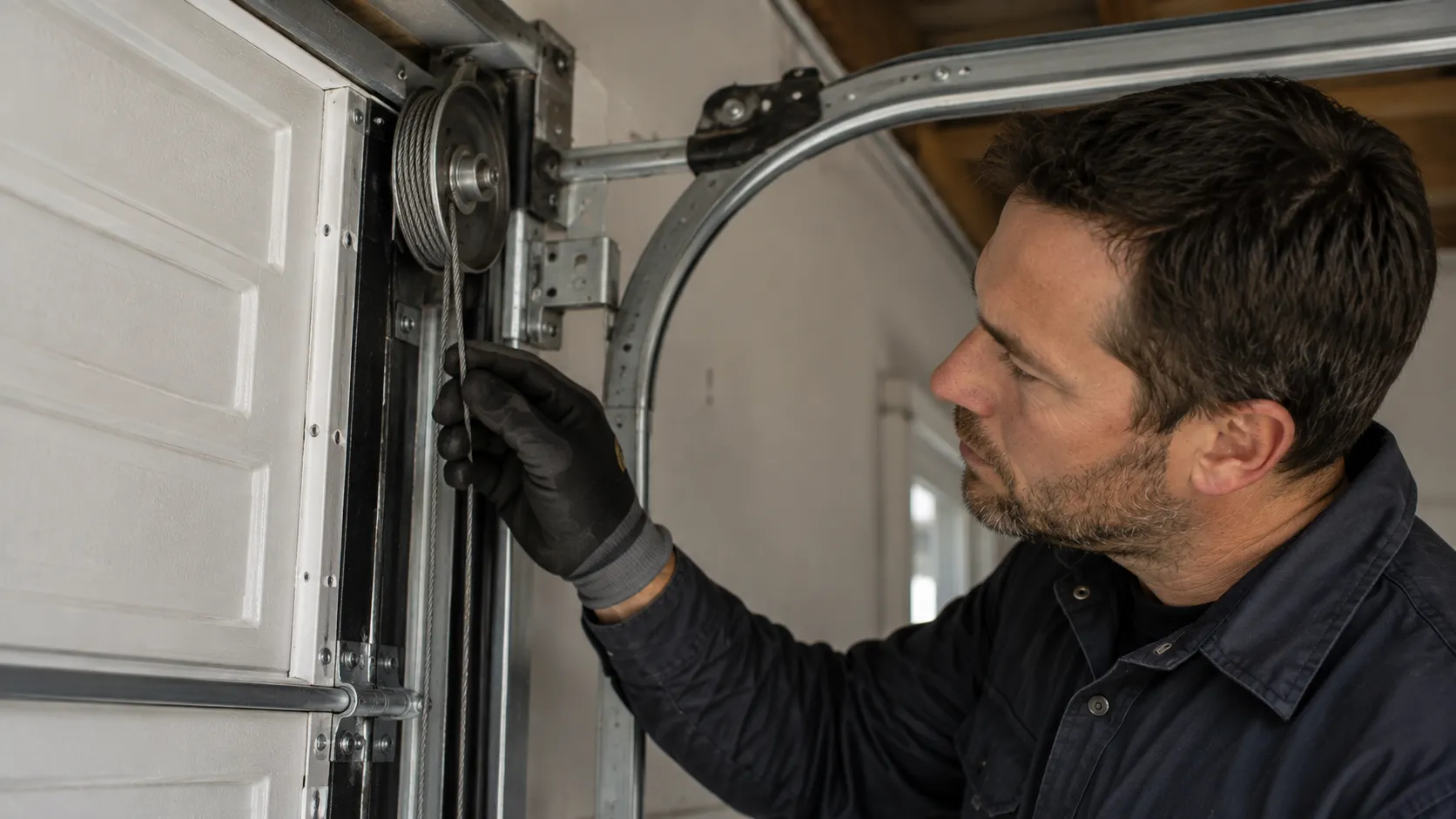
Old hardware plus cold weather stacks problems instead of isolating them. A torsion spring that's lost tension doesn't just make the door heavy - it puts extra load on the opener, which then burns out a gear it wasn't built to carry alone. Bent track from age and settling doesn't show up until cold makes the steel brittle enough to crack instead of bend back. Cables rated for a 1970s door and stretched by decades of cycles fray somewhere you can't see them until they let go under tension.
We won't pretend every one of these is worth fixing. On a door old enough to be original to a house built near 1979, sometimes the honest call is replacement, not another repair, because parts for that era of hardware are getting harder to source and a patched door on worn springs is a safety risk, not a bargain. We'll tell you when that's the case instead of running up a bill on a door that's past the point of chasing.
How we work
How It Shows Up
On the job, this looks pretty consistent across the service area. A call comes in for a door that's suddenly hard to lift by hand, or an opener that strains and reverses partway up - that's usually a spring that's finally given up after a winter of losing tension.
Another common one: a door that binds or rattles hard on one side, which on older track systems usually means the mounting has shifted with decades of freeze-thaw movement in the slab or framing, something we see a lot given how much of the stock here dates to the 1968-1997 window. We get calls from homes close in, within a mile or so of Sunset Road, and from up toward Blowing Rock, Seven Devils, and Banner Elk, and the pattern holds regardless of elevation - the age of the door and the severity of the winter matter more than which side of town it's on.
Questions
Common questions
Can I replace a garage door torsion spring myself in Boone?
We'd say no. A wound torsion spring holds enough force to cause serious injury, and on a house from the 1968-1997 era common here, the spring size and mounting often don't match what's sold off the shelf. It's one of the few garage door jobs worth calling in every time.
Why does my garage door get harder to lift every winter?
Boone sits in a severe cold climate band, and torsion springs lose a bit of tension with every deep freeze-thaw cycle. On an older spring that's already decades into its life, that loss adds up fast and shows up as a door that suddenly feels twice as heavy.
Is it worth repairing a garage door on a much older house?
Sometimes, not always. If the door and track date back near the neighborhood's typical 1979 build year, parts can be hard to source and a repair may just delay a bigger failure. We'll look at the actual hardware and tell you honestly whether fixing it or replacing it makes more sense.
Ready when you are
Need a garage door sorted in Boone?
Boone Garage Door Pros repairs and installs garage doors, springs and openers in Boone, NC and the surrounding area.