
Guide
What Actually Goes Wrong With Openers in Boone's Older Homes
Openers fail differently in Boone's 1968-1997 housing stock, especially in cold-severe winters. Here's what actually goes wrong, and how to check it yourself.
Local detail
Where People Go Wrong
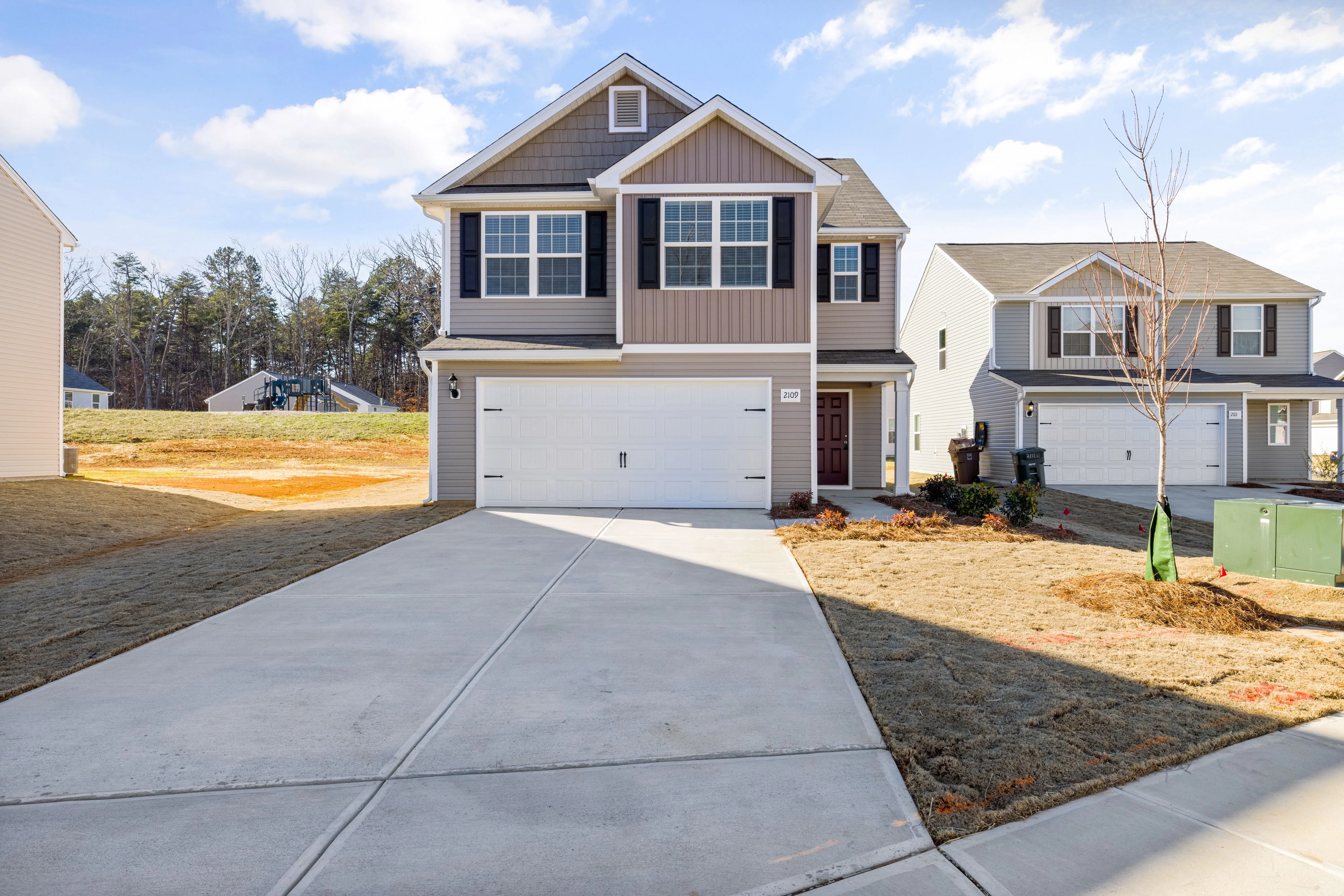
Homeowners often troubleshoot the opener the way a manual from a big box store tells them to - check the batteries, check the sensors, call it done. That works fine in a house built five years ago. It doesn't work the same way in a house built between 1968 and 1997, the range that covers most of the stock across the ten areas we run trucks through.
Homes from that era usually have opener circuits added or upgraded well after the house went up, on wiring that was sized for a light bulb and an opener draw from three decades ago, not for a modern unit with a battery backup and a Wi-Fi module. People swap the opener itself and wonder why the new unit still trips the same breaker, or still drops out during a cold snap. The unit isn't the problem.
The path the power takes to reach it is. That's the piece that gets skipped, because it's not on the checklist that comes in the box, and it's the one that actually explains why the same fix doesn't hold in this town's housing the way it might somewhere with newer wiring throughout.
The area
Checking It Yourself
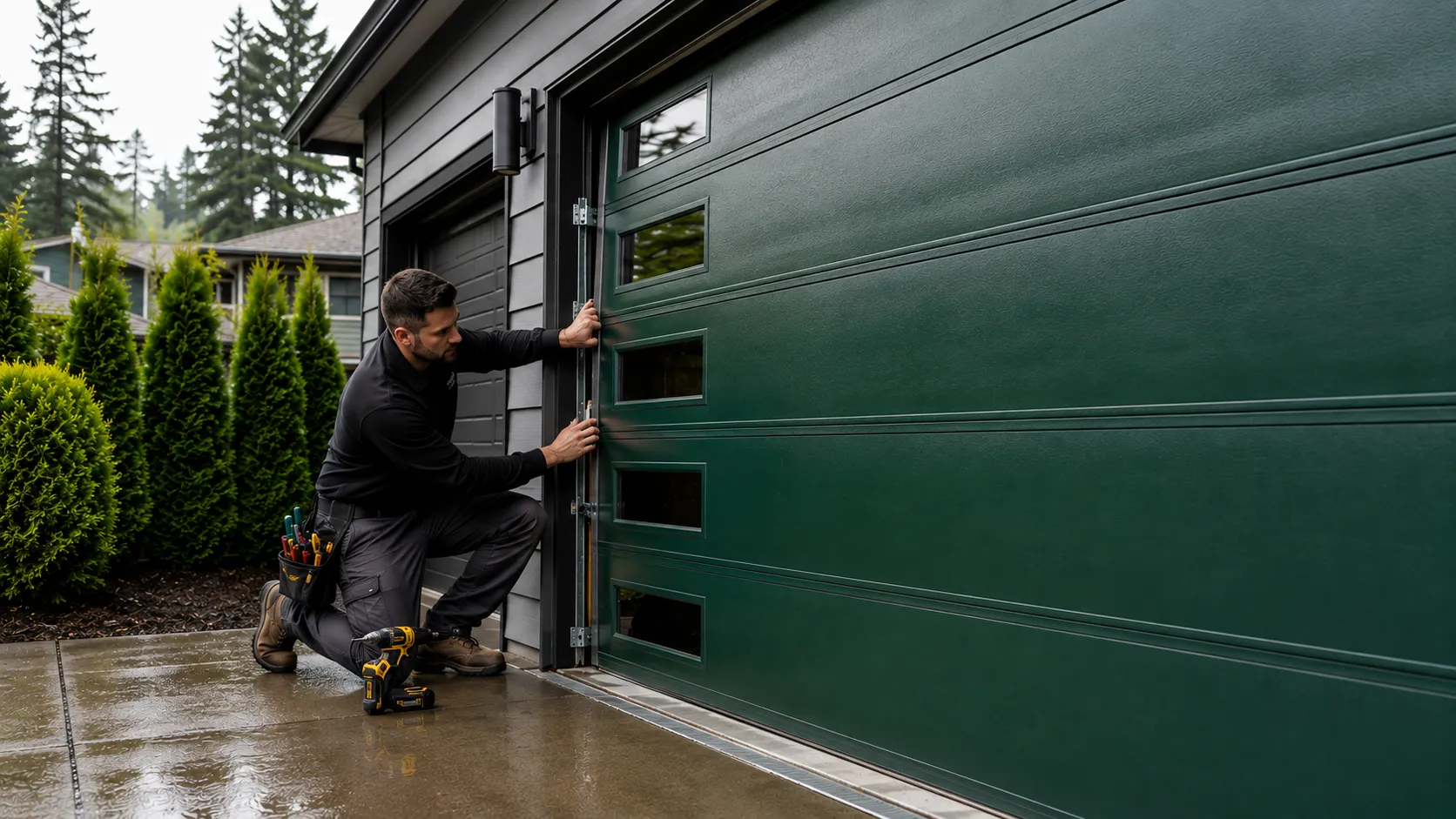
Before you call anyone, there's a short list worth working through. Pull the manual release cord and move the door by hand - if it's heavy or binds partway, that's a spring or track problem, not an opener problem, and no amount of opener troubleshooting fixes it. Check the breaker for the garage circuit, not just the wall switch, since a lot of the 1968-1997 stock in this area runs the opener off a shared circuit with something else in the garage - a freezer, a shop light. If the opener hums but the door doesn't move, look at the drive gear before you replace the whole unit; on units installed decades ago, that gear is often the actual failure point.
If you've got a battery backup, check it seasonally, because cold cuts battery output fast, and a backup that tested fine in July can be dead in January. What we can't tell you from a checklist is whether a control board issue is a small part or a sign the whole board is going - that one needs a hand on it, not a guess. If the door won't budge with the release cord pulled, stop, and don't force the opener against it.
What we find
What Is Going On
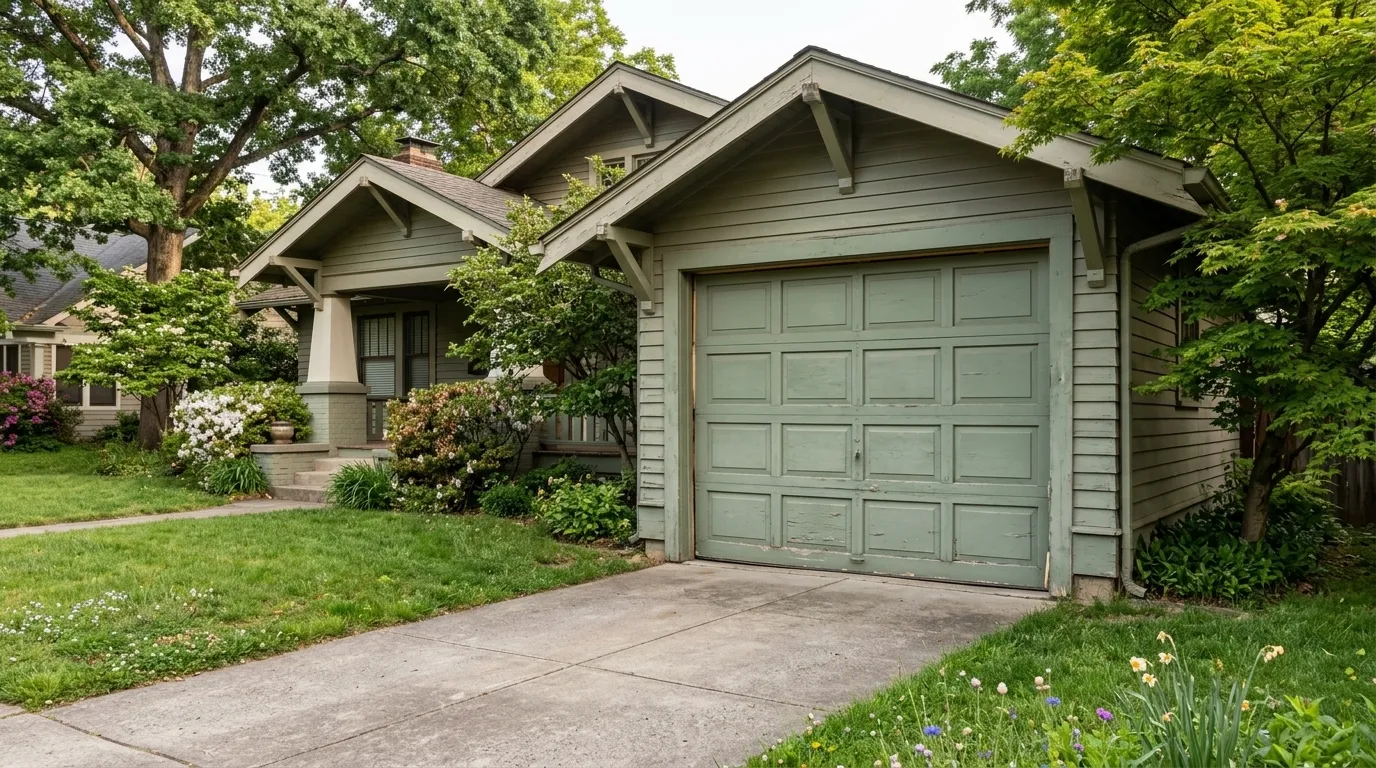
A garage door opener installed in a house with a 1979 median build date is doing forty-plus years of duty cycles on components that weren't built to last that long - capacitors on the control board dry out, the wiring insulation the opener was tapped into gets brittle, and the receiver that used to pick up the remote from the driveway starts missing signals it caught fine a decade ago. Across the ten areas that make up most of our calls, that 1960s-70s and 1968-1997 stock means we're rarely looking at a single bad part. It's usually a chain of small age-related failures: a drive gear worn from thousands of cycles, a sensor eye clouded from years in an unheated garage, a logic board one power surge away from needing full replacement.
None of that shows up as one obvious symptom - it shows up as an opener that 'sometimes' works, which is the complaint we hear most from houses in this bracket. The honest answer, more often than the homeowner wants, is that patching one part buys another year, not a fix. On a board that age, sometimes the right call is a new opener rather than chasing the next failing part one at a time.
How we work
What the Weather Here Does to It
Boone sits in a climate band the federal data marks cold-severe, and that matters more for openers than most homeowners expect. Cold makes lubricant in the drive mechanism thicken, which is why an opener that ran quiet in September starts groaning through the last few inches of travel once mornings drop below freezing. It's harder on battery backups too - a battery that shows full charge at 70 degrees can deliver a fraction of that at 15, which means the backup meant to get you through a power cut may not have enough left to lift the door when you actually need it. Power cuts themselves are the other half of it: when the grid drops in weather like that, everything with an electronic opener sits locked unless someone knows where the manual release is and how to use it safely.
If you're close in - Sunset Road and the first mile or so around town tend to see this first when lines ice - that gap between power loss and knowing how to get the door open by hand is the actual emergency, not the opener itself. We can't do anything about the grid. What we can do is make sure the release and the backup are both ready before that morning comes, not after.
Questions
Common questions
Why does my opener work fine in summer but struggle every winter?
Cold thickens the lubricant in the drive mechanism, which slows the motor down on the last few inches of travel, and it also weakens battery backup output - a battery that reads full at warm temperatures can lose most of its output once it's near freezing. In Boone's cold-severe climate, that combination shows up every winter, then quietly stops mattering by spring.
My house was built in the 70s - is that why my opener keeps tripping the breaker?
Likely, yes. A lot of the 1968-1997 housing across this area had opener circuits added onto wiring sized for older, lighter loads, sometimes shared with another garage appliance. A modern opener with a battery backup and Wi-Fi module can push that circuit past what it was ever meant to carry.
What's the first thing I should check before calling about an opener that won't respond?
Pull the manual release and see if the door moves freely by hand. If it's heavy or binds, that's a spring or track issue, not the opener, and replacing the opener won't fix it. If the door moves fine by hand, check the breaker next before assuming the opener itself has failed.
Is it worth repairing an old opener or should I just replace it?
Depends what's failing. A worn drive gear or a clouded sensor is usually worth fixing. A control board that's forty years into service, on a house from that 1968-1997 stock, is often one surge away from failing again - at that point, a new opener tends to cost less over time than repeated part swaps.
Ready when you are
Need a garage door sorted in Boone?
Boone Garage Door Pros repairs and installs garage doors, springs and openers in Boone, NC and the surrounding area.